

Advertisements
If you are thinking about sell a house, now see some tips that can help you achieve a satisfactory result on this journey!
Continue reading and find out everything about it:
Read also: Credit with investment guarantee: how does it work and what are the advantages?
Selling a house: see tips that can help!
At first glance, selling a home can be one of the most significant decisions of your life, both emotionally and financially.
In short, the real estate market is dynamic and full of nuances, and to get the best value for your property, it is essential to be well informed and prepared.
Therefore, below, we present fundamental tips that can make all the difference in the process of selling your home.
1. Correct Pricing: The First Step to Success

Property pricing is the starting point for a successful sale.
In this sense, one of the biggest mistakes that homeowners make is overvaluing the house, believing that this will give them room for negotiation.
However, this can put off potential buyers and prolong the sale time, which can end up devaluing the property.
Therefore, to avoid this problem, it is essential to carry out an accurate assessment of the property.
Additionally, there are several ways to arrive at the correct market value.
For example, you can hire a professional appraiser or use online platforms that offer estimates based on similar properties in your area.
The table below shows some variables that directly influence the property's valuation:
| Assessment Factors | Description |
|---|---|
| Location | Proximity to services, transport, security. |
| Conservation status | Need for renovations, age of the property. |
| Land size | Total area and land use. |
| Infrastructure | Presence of garage, leisure area, swimming pool, etc. |
Additionally, it is important to consider real estate market trends in your area.
In short, if the market is rising, it may be advantageous to set a price slightly above average, but always within a reasonable range.
2. Selling a Home: Presentation is Everything
First impressions are crucial when it comes to selling a home.
In this way, a well-presented property can speed up the sale and even increase the value perceived by buyers.
Here comes the concept of home staging, which consists of preparing the house to display it in the best possible way.
Home staging involves everything from small improvements, such as a new coat of paint or replacing light bulbs, to rearranging furniture and decor to create a more attractive environment.
In other words, this does not mean spending a fortune on renovations, but rather investing strategically to enhance the home's potential.
In short, a neutral and well-lit environment, for example, allows the buyer to better visualize what it would be like to live there.
See the table below for some simple home staging tips that can make a big impact:
| Action | Impact |
|---|---|
| Painting in neutral colors | Visually expand spaces and please more buyers. |
| Depersonalization of rooms | Make it easier for the buyer to visualize living in the property. |
| Organization and cleaning | Convey a sense of care and added value. |
| Lighting improvements | Enhance spaces and create a welcoming atmosphere. |
Finally, remember: the goal of home staging is to create an environment where potential buyers can imagine themselves living, which increases the chances of a quick offer.
++ Types of consortium: get to know the main ones that exist
3. Real Estate Marketing: Maximize Your Home's Exposure
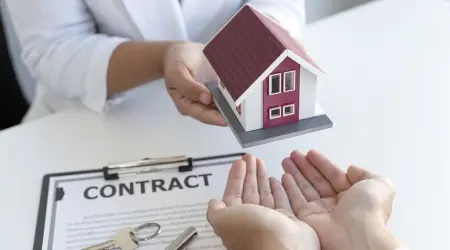
When selling a house, real estate marketing is essential to reach the greatest number of interested parties.
In this sense, it is not enough to simply list your home on sales websites; it is necessary to make your property stand out from the competition.
This can even be done with professional photographs, high-quality videos, and even virtual tours, which allow buyers to visit the home without leaving home.
The use of social networks is also an excellent strategy to increase visibility.
For example, platforms like Instagram and Facebook allow you to target a specific audience using filters like location and age range.
Investing in paid advertising can be a great way to attract qualified buyers.
The table below summarizes some effective real estate marketing strategies:
| Strategy | Description |
|---|---|
| Professional Photographs | High quality images that highlight the best angles of the home. |
| Virtual Tour | Immersive experience that allows you to visit the house remotely. |
| Social Media Ads | Targeted reach to the right audience, increasing sales chances. |
| Custom Website | Page dedicated to the property, with detailed information and direct contact. |
In addition to digital tools, don't underestimate the power of traditional marketing.
In this way, “For Sale” signs are still effective, especially in high-traffic areas.
Finally, make sure all marketing materials present the home in the most appealing light possible, highlighting its best features and benefits.
4. Selling a house: Documentation and bureaucracy
Here, correct documentation is essential to ensure that the sale of your property goes smoothly.
Many sellers do not realize how much the lack of documents or the existence of legal problems can delay, or even make the transaction unfeasible.
Therefore, it is crucial to be prepared with all the necessary paperwork before putting your home on the market.
In this sense, the first step is to gather all the property documents, such as the deed, negative debt certificates, and the property registration.
Furthermore, make sure that the property is regularized with the appropriate bodies, which includes the city hall and the property registry office.
In addition, if there are any pending issues, such as outstanding taxes or discrepancies in the built area, it is important to resolve these issues before starting negotiations.
See some essential documents for selling a property:
| Document | Description |
|---|---|
| Writing | Document proving ownership of the property. |
| Certificate of Real Encumbrances | Confirms that the property is free of debts and mortgages. |
| Property Registration | Proof that the property is registered in the seller's name. |
| Certificates of No Debts | They guarantee that there are no debts associated with the property. |
Another important aspect is to be aware of the taxes and fees that apply to the sale of a property, such as Income Tax on capital gains.
In short, knowing these tax obligations in advance avoids unpleasant surprises and helps to better plan the financial aspects of the transaction.
5. Negotiation and Closing: How to Conduct a Winning Sale
The negotiation phase is where the game really happens.
Here, when selling a house, both the seller and the buyer seek to obtain the best possible conditions, and a good strategy can make the difference between closing or losing the deal.
Therefore, being flexible and well-informed are keys to successful negotiation.
Therefore, one of the best practices in negotiation is to be prepared to justify the asking price.
That is, if you have made recent improvements to the home or if there are special features that add value to the property, have those points ready to mention.
At the same time, be open to hearing the buyer's proposals and, if necessary, consider offering incentives, such as including appliances or furniture in the sale.
During negotiation, it is essential to maintain clear and professional communication.
In fact, this not only helps build trust between the parties, but also avoids misunderstandings that could complicate the sale.
If there are difficulties in reaching an agreement, considering the mediation of an experienced real estate agent can be an excellent solution.
See tips for effective negotiation:
| Tip | Benefit |
|---|---|
| Know the Value of the Property | It makes it easier to justify the price and refute low offers. |
| Be Flexible in Conditions | Increases the chances of closing a deal quickly. |
| Maintain Transparent Communication | Avoids misunderstandings and builds trust. |
| Offer Incentives | It can speed up the sale and justify a higher price. |
Finally, when reaching an agreement, it is crucial to formalize all the terms of the negotiation in a purchase and sale agreement.
In short, this document must specify all the conditions of the transaction, including the agreed amount, payment method, deadlines and any termination clauses.
The assistance of an attorney can be valuable in ensuring that the contract is well drafted and protects the interests of both parties.
Conclusion
+ Open Finance: what it is, advantages, risks and how to join
In short, selling a house is a process that requires planning, strategy and attention to detail.
So, from correct pricing to impeccable presentation and effective marketing, each step plays a crucial role in the success of the sale.
This way, by following these tips, you will be better prepared to face the real estate market and get the best possible return for your property.
Ultimately, remember, the goal is to create a positive experience for both you and the buyer, resulting in a quick and satisfactory transaction for both parties.
