

Advertisements
The search for extra income with crafts has grown exponentially in recent years, driven by the appreciation of manual labor and the need for financial flexibility.
More than a hobby, crafts can become a consistent source of profit, combining creativity and entrepreneurship.
However, turning ideas into businesses requires strategy, planning and a smart approach to stand out in a competitive market.
Continue reading to find out more:
Extra Income With Crafts

Why crafts?
Advertisements
In addition to allowing artistic expression, it offers an accessible entry into entrepreneurship, with low initial investment and high scalability.
A recent survey by Etsy revealed that 65% of artisans started their businesses with less than US$$ 100, highlighting the democratic potential of this sector.
Whether you're a beginner or looking to diversify your income, this guide offers a clear roadmap for turning your passion into profit.
Imagine craftsmanship as a seed: with the right care, it grows, blooms and bears fruit.
But, like any plant, it needs fertile soil (knowledge), water (dedication) and light (strategy). Ready to grow your extra income with crafts?
Let's dive into the essential steps.
1. Finding Your Niche in Crafts
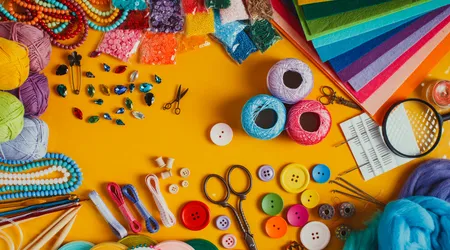
Before diving in head first, it’s crucial to identify the niche that combines your passion with market demand.
Crafts encompass a wide range of possibilities, from crochet and ceramics to personalized jewelry and sustainable decor.
Choosing a niche is not just about what you love to do, but also about what your audience is willing to buy.
++ How to buy clothes for less and still look good
For example, personalized items, such as engraved mugs or handmade planners, are in high demand due to their exclusivity.
A smart approach is to analyze local and global trends.
Tools like Google Trends or Pinterest can reveal what’s trending, while local craft fairs offer insights into regional preferences.
Also, consider seasonality: items like Christmas decorations sell best at the end of the year, while summer accessories are popular in the spring.
Therefore, aligning your niche with market demands increases your chances of success.
Finally, ask yourself: What story does my craft tell?
Products with a storytelling, such as sustainable pieces made from recycled materials, connect emotionally with consumers.
An original example is that of Clara, an artisan who creates lamps from discarded glass bottles, selling the idea of “lighting with purpose”.
Choosing a niche with personal meaning and commercial appeal is the first step to building a memorable brand.
| Craft Niche | Estimated Initial Investment | Target Audience | Suggested Sales Channel |
|---|---|---|---|
| Handmade jewelry | R$ 150 – R$ 500 | Young people and adults | Instagram, Etsy |
| Sustainable decoration | R$ 100 – R$ 300 | Families, companies | Local fairs, marketplaces |
| Crochet clothes | R$ 200 – R$ 600 | conscious fashion | Pinterest, WhatsApp |
| Personalized stationery | R$ 80 – R$ 250 | Students, professionals | Online stores, events |
2. Planning Your Craft Business
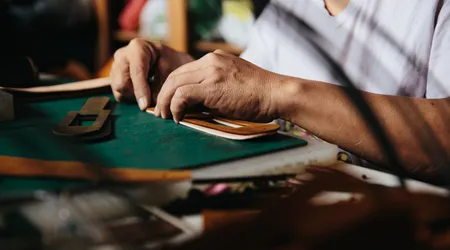
Transform crafts into extra income requires more than manual skill; it requires an entrepreneurial mindset.
Start with a basic financial plan: calculate costs for materials, tools, and packaging, and set prices that cover expenses and generate profit.
A common mistake is to underestimate the value of manual labor.
For example, if a piece takes 3 hours to make, include the cost of your time in the final price, considering a fair hourly rate.
Furthermore, organization is crucial.
Create a production schedule that balances quality and quantity, especially if you juggle crafting with other responsibilities.
++ Tips for selling a property faster and for a good price
Tools like Trello or simple spreadsheets help manage orders and deadlines.
Furthermore, formalizing your business, even partially, can open doors: a CNPJ as an MEI (Individual Microentrepreneur) facilitates sales in marketplaces and offers benefits such as retirement.
An inspiring case is that of João, a teacher who started selling carved wooden coasters as extra income.
He used social media to promote his work and, within six months, he was already taking on corporate requests for events.
The secret?
João structured his time and invested in professional photos to highlight the quality of his pieces.
Planning smart is what separates a hobby from a profitable business.
| Planning Stage | Recommended Action | Suggested Tool | Estimated Time |
|---|---|---|---|
| Cost calculation | List materials and time | Excel Spreadsheet | 2 hours |
| Pricing definition | Compare competitors | Market research | 3 hours |
| Production schedule | Plan orders | Trello or Google Calendar | 1 hour/week |
| Formalization (MEI) | Consult accountant | Entrepreneur Portal | 1 day |
3. Marketing and Sales: Building Your Brand
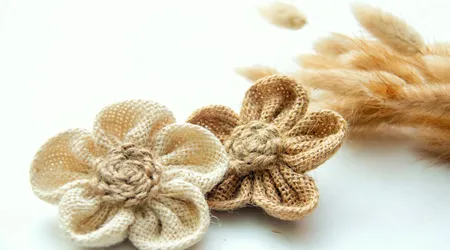
In the digital world, visibility is the engine of success. To sell your crafts, invest in a strategic online presence.
Platforms like Instagram and TikTok are ideal for showcasing the creative process, which attracts customers through authenticity.
However, it is not enough to post photos; you need to tell stories.
Short videos showing the creation of a piece or the “before and after” of recycled material generate engagement and trust.
At the same time, marketplaces such as Elo7 and Shopee offer immediate reach, but require attention to fees and competition.
A smart tactic is to combine channels: use social networks to attract customers and marketplaces to close sales.
++ Get your credit card in just a few minutes with this tip!
Additionally, invest in packaging that reinforces your brand; a simple thank you card can build customer loyalty.
According to Sebrae, 70% of consumers value personalized experiences, which includes details such as creative packaging.
Why not turn every sale into a connection?
Small gestures, like offering a gift or responding to messages with empathy, create lasting bonds.
The analogy here is clear: selling crafts is like weaving a tapestry; each interaction is a thread that strengthens your brand.
Take the time to understand your audience and adapt your communication, and you will see your extra income with crafts grow organically.
| Sales Channel | Advantages | Challenges | SEO Tip |
|---|---|---|---|
| High visibility, engagement | Demanding algorithm | Use hashtags like #HandmadeHandcrafted | |
| Elo7 | Targeted audience | Commission rates | Optimize titles with keywords |
| Local fairs | Direct contact with customers | Logistics | Share dates in local groups |
| Direct sales, low cost | Contact management | Create digital catalogs |
4. Scaling Your Extra Income
Once you have established your business, the next step is to scale your extra income with crafts.
This doesn’t just mean selling more, but also optimizing processes and exploring new opportunities.
For example, offering in-person or online workshops can diversify your income by attracting people interested in learning your techniques.
Platforms like Sympla or Hotmart are excellent for this.
Furthermore, another strategy is to create partnerships.
Collaborate with other artisans to launch joint collections or participate in bazaars to expand your reach.
Additionally, consider selling to companies as personalized corporate gifts.
This approach requires planning, but can significantly increase your profits.
In short, remember to reinvest part of the earnings in improvements, such as more efficient tools or training courses.
The climbing journey is challenging but rewarding.
Think of it like building a bridge: each solid step extends its reach and strengthens its structure.
By diversifying channels, optimizing processes and seeking partnerships, you transform your extra income into a main source of income, with unlimited potential.
| Scaling Strategy | Benefit | Estimated Investment | Practical Example |
|---|---|---|---|
| Online workshops | New source of income | R$ 50 – R$ 200 (platform) | Crochet course on Zoom |
| Partnerships with artisans | Greater visibility | R$ 0 – R$ 100 (disclosure) | Collection with another artisan |
| Sale to companies | Bulk orders | R$ 200 – R$ 500 (samples) | Event Giveaways |
| Reinvestment | Best quality | 10-20% of profits | Purchase of new tool |
5. Extra income with crafts: Frequently Asked Questions
1. Do I need a lot of money to get started?
No, crafts are accessible.
Many niches require less than R$ 200 to start, as the niche table shows.
Start with basic materials and reinvest the profits.
2. How do I price my crafts?
Consider material costs, production time, and a fair hourly rate.
Research competitors' prices to ensure competitiveness without devaluing your work.
3. What is the best platform to sell on?
It depends on your audience.
Instagram is great for visibility, while marketplaces like Elo7 offer ready-made structures.
Combine channels for better results.
4. Can I combine crafts with another job?
Yes, crafts are flexible.
Organize your time with schedules and start with small productions, like João, who sells coasters after work.
5. How do I stand out in a competitive market?
Invest in storytelling, creative packaging and personalized service.
Products with a story, like Clara’s lamps, create emotional connections with customers.
Extra income with crafts: Conclusion
Start a extra income with crafts It's more than a financial opportunity; it's a chance to turn passion into purpose.
With planning, strategic niche selection and smart advertising, you can build a sustainable and scalable business.
Clara and João's stories show that, with creativity and organization, crafts can go beyond a hobby, becoming a solid source of income.
So, what are you waiting for? Start today, take the first step and cultivate your own success story in the world of crafts.
