
Advertisements
To the split purchases They represent a consumption pattern in which small, recurring daily expenses significantly impact the personal budget without the consumer realizing it.
Understanding how this phenomenon works is fundamental to identifying financial leaks and restructuring budget planning with clarity.
In this article, you will understand the psychological and economic causes of this habit, as well as practical strategies to keep your finances under control.
Summary:
- The micro-spending effect and the psychology of consumption.
- The impact of digital microtransactions on the budget.
- Comparison between installment purchases and planned purchases.
- Practical strategies to curb hidden expenses.
- Frequently Asked Questions (FAQ)
The micro-spending effect and the psychology of consumption.
To the split purchases These occur when expenses of low absolute value are made continuously and without prior consideration.
Common examples include small daily snacks, subscriptions to rarely used services, ride-sharing apps for short trips, and small impulse purchases in e-commerce.
From a behavioral economics perspective, these small outlays reduce the so-called "pain of payment.".
When a financial transaction involves small amounts, the human brain tends to disregard the cumulative impact of the expense, treating each item as an irrelevant expense.
The widespread adoption of digital payment methods, such as Pix and contactless cards, further accelerates this process.
By eliminating physical contact with banknotes, the perceived cost of consumption decreases, encouraging the repetition of the behavior without proper budgetary monitoring.
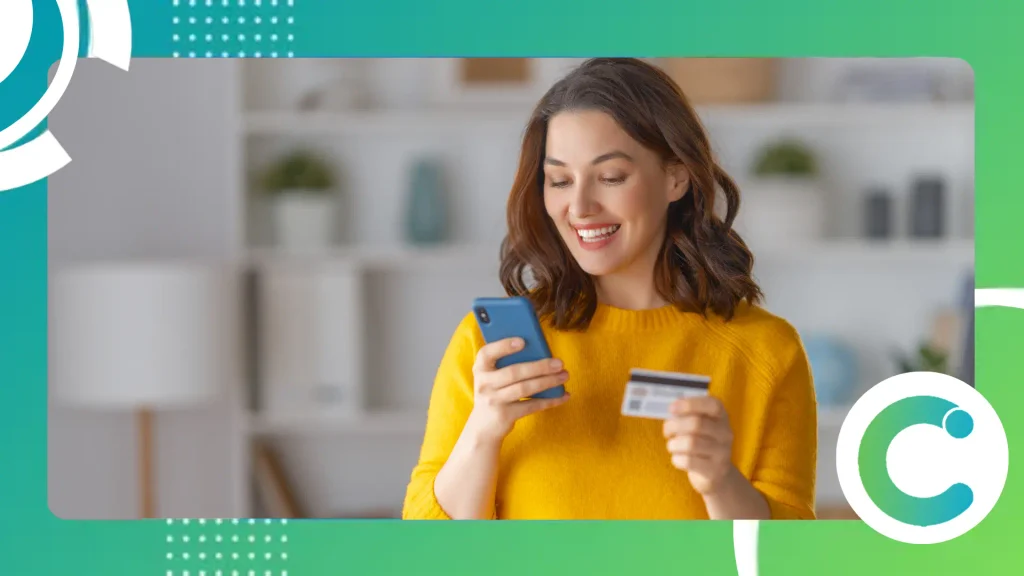
The silent buildup on the credit card bill.
In the long term, the high frequency of split purchases This creates a significant distortion in financial planning.
A daily consumption of R$ 15.00 on non-essential items, for example, represents a monthly expenditure exceeding R$ 450.00, an amount that often goes unnoticed in monthly projections.
To deepen your understanding of expense organization and family budgeting, the portal Knowing from Agência Brasil It offers educational content and reports on personal finance and household economics.
The impact of digital microtransactions on the budget.
The contemporary digital ecosystem was designed to facilitate and encourage split purchases with as little friction as possible.
Delivery apps, microtransactions in video games, and content platforms use optimized interfaces to transform momentary desires into immediate financial transactions.
Low-value recurring subscriptions also fall into this category.
Because they charge individual monthly fees that seem small, many platforms remain active in the consumer's budget, even when they are not used frequently enough to justify maintaining the service.
++ How global interest rates affect emerging markets
The lack of a consolidated tracking of these scattered expenses prevents individuals from realizing the true amount of capital committed to very low-priority items, hindering their ability to save and invest in the future.
Comparison: Installment purchases vs. planned purchases
The following table presents a qualitative comparison between the involuntary practice of split purchases and structured consumption through conscious budget planning.
| Analysis Criteria | Fractional Purchases | Planned Purchases |
| Cost Perception | Low at the time of purchase; high when consolidating the month. | Clear and foreseen before the payment is made. |
| Generating Factor | Impulse, momentary convenience, and digital automation. | Need identified and budget previously allocated. |
| Financial Impact | Dispersion of capital and reduction of savings margin. | Optimizing the use of money and preserving the budget. |
| Recording Frequency | It is rarely recorded at the time of the transaction. | Always included in personal financial control. |
Understanding these differences allows you to reassess daily priorities and replace momentary impulses with decisions aligned with medium- and long-term financial goals.
How to set a spending limit for discretionary spending.
Setting a fixed limit for convenience expenses is essential to curb the growth of split purchases.
Instead of trying to eliminate small everyday pleasures, set a maximum monthly budget for spontaneous expenses, keeping that money in a separate account.
When the balance in this category reaches zero, unplanned purchases should be paused until the following month.
Read more: Why do some products never return to their previous price?
This approach ensures freedom of consumption without compromising long-term budget goals.
Practical strategies to curb hidden expenses.
Overcoming the harmful effects of split purchases It requires the adoption of intentional friction in the purchasing process.
Implementing small operational barriers between the desire to consume and the actual payment significantly reduces impulse transactions.
The first recommended step is to remove credit cards saved on delivery apps and e-commerce websites.
The need to type in bank details for each transaction extends decision-making time, opening up space for critical reflection on the actual need for the item.
Another effective practice is to consolidate all bank statements weekly.
++ How to Choose a Digital Account Based on Your Financial Profile Type
Grouping small debts into a single, easily visible category exposes the true sum of scattered expenses, giving consumers an accurate understanding of the impact these habits have on their finances.
Frequently Asked Questions
What formally characterizes fractional purchases in daily consumption?
To the split purchases They are characterized by small monetary expenditures made repeatedly and in a decentralized manner, generally without prior planning and without immediate recording in the financial budget.
Why do digital payment methods increase this type of spending?
Digital methods eliminate the physical friction of payment. Tools like Pix and contactless payments reduce the psychological feeling of financial loss, making impulse transactions easier.
How can I identify the micro-expenses that are hurting my budget?
The best way to identify this is to perform a complete tracking of all financial outflows for 30 consecutive days, categorizing even the smallest amounts in a spreadsheet or control application.
Is it necessary to completely eliminate the small pleasures of daily life?
No. The goal of financial control is not total deprivation, but conscious consumption. Ideally, you should set a fixed monthly spending limit for discretionary and convenience expenses.
Conclusion
Combating the impact of split purchases It depends directly on awareness of where each portion of the personal budget is going.
By identifying the triggers that lead to the automatic spending of small amounts, it becomes possible to regain control of finances and redirect resources to more relevant goals.
Sustainable financial reorganization requires consistent expense tracking and the implementation of intentional spending habits.
For additional guidance on finance and consumer rights, please consult the portal of Procon-SP, which offers free educational materials on financial literacy and conscious consumption.
++ Consumer behavior: Brazilians are fragmenting purchases.
++ Fractional and decentralized purchases: understand the trend of the modern consumer.
