

Advertisements
THE growth of second-hand and resale businesses It has transformed the global retail sector and consumer behavior.
Circular consumption models have moved beyond being a niche market and are now leading sustainable and profitable business strategies.
Article Summary
- Market Overview: The accelerated growth of recommerce in Brazil and around the world.
- Economical Engines: Key factors driving conscious consumption and the search for value.
- Dominant Models: Comparison between digital platforms, physical thrift stores, and C2C marketplaces.
- Technology and Operation: Authentication, reverse logistics, and algorithmic pricing solutions.
- Sector FAQ: Direct answers to the main questions about starting a resale business.
The current landscape of recommerce in the global market.
The pre-owned goods sector is experiencing a period of structural consolidation, driven by technological platforms and profound changes in the preferences of contemporary buyers.
The professionalization of this segment has attracted major investors and established brands.
Recent market intelligence studies confirm the sector's upward trajectory. ThredUp market report It suggests that the global market for secondhand clothing is expected to reach hundreds of billions of dollars before the end of the decade.
This transformation is not limited to fashion. Refurbished electronics such as smartphones, computers, and video game consoles represent a significant portion of global e-commerce sales, reducing electronic waste and optimizing resources.
In Brazil, the advancement of circular commerce is keeping pace with the digitalization of consumers.
Small business owners and large retailers are adopting integrated solutions to capture the growing demand for pre-owned products with a warranty.
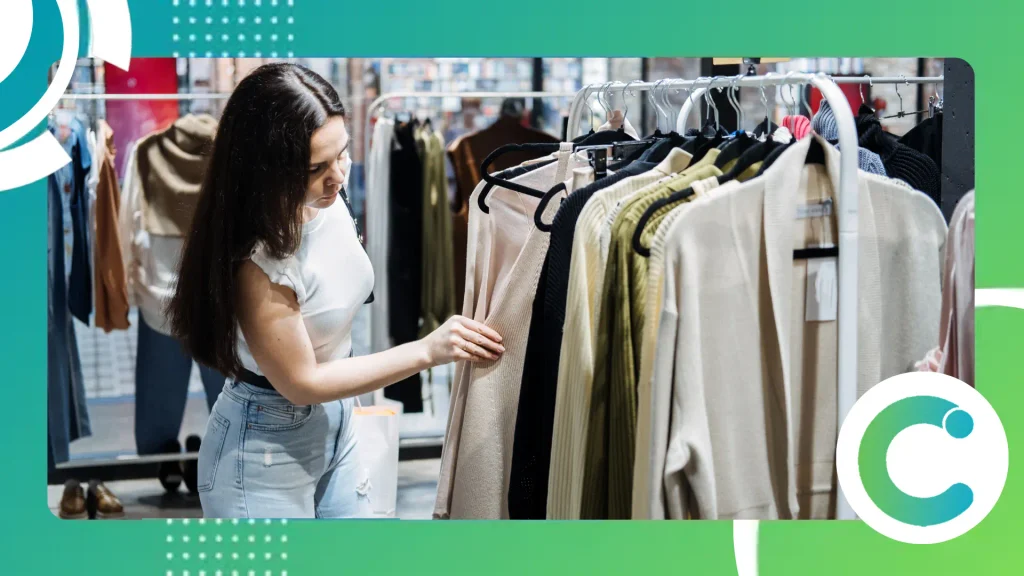
Why is the resale market growing at such an accelerated pace?
The search for affordable prices, coupled with environmental awareness, is driving consumers towards sustainable alternatives. growth of second-hand and resale businesses This reflects the demand for financially sound choices.
Environmental awareness and circular economy
The mass production of consumer goods generates a significant environmental impact. Generation Z and Millennial consumers prioritize brands that reduce their carbon footprint through the extended reuse of products.
Seeking value and premium brands at affordable prices.
Inflation and the loss of purchasing power encourage the search for value for money. Reselling allows access to desired brands and luxury items for a fraction of the original price.
++ How to increase revenue without expanding the company's structure.
Ease of marketing via digital platforms
Native digital platforms have simplified the individual sales process. Anyone can catalog, price, and ship used products directly from their home with minimal bureaucracy.
Business models in the used goods sector
Companies operate in various formats to serve different niches and customer profiles. Choosing the ideal model depends on initial capital, available logistics, and the intended target audience.
| Business Model | Operational Focus | Main Advantages | Operational Challenges |
| Peer-to-Peer (C2C) Marketplace | Intermediation between individuals | Fast scalability and low inventory. | Quality control and fraud |
| Consignment Reselling (B2C) | Management of third-party assets | High margins and expert curation | Complex logistics and warehousing |
| Corporate Trade-in | Brands buy back their own products. | Loyalty and brand control | Refurbishment and warranty costs |
THE growth of second-hand and resale businesses This requires adaptation to the operational dynamics of the chosen model. Established companies often combine strategies to maximize the acquisition of qualified inventory.
How to create a profitable resale operation
Setting up a professional used car business requires technical rigor and operational planning. Selling used items demands clear evaluation standards to ensure customer satisfaction and avoid returns.
Step 1: Define the niche and profile of the collection.
Specializing makes it easier to acquire customers and set the right prices. High-end women's fashion, pre-owned electronics, children's items, and sporting goods are highly profitable and dynamic segments.
Read more: The role of digital payments in today's business.
Step 2: Implement a rigorous screening process.
A company's reputation depends on the quality of the products it sells. Establish strict criteria for authentication, cleaning, hygiene, and classification of the condition of each item received.
Step 3: Structure pricing and profit margin
The selling price should take into account acquisition costs, restoration, platform commission, shipping, and operating margin. Dynamic pricing tools help maintain competitiveness without sacrificing profitability.
Operational challenges and solutions in circular consumption.
Despite strong growth, the sector faces specific logistical bottlenecks. The standardization of unique products is the main obstacle to the scalability of physical and digital resale operations.
A consistent supply of qualified inventory requires marketing focused on converting individual suppliers. Offering quick payments or store credit encourages the continuous disposal of used items.
Another critical point is the visual screening and authentication of luxury items. Artificial intelligence and data analysis accelerate the verification of authenticity, bringing security to discerning buyers.
To ensure tax compliance in the purchase and sale of used goods, business owners should consult the... Federal Government Entrepreneur Portal, aligning the business's taxation.
Technological innovations driving the segment
Technology has transformed old-fashioned thrift stores into sophisticated digital operations.
THE growth of second-hand and resale businesses Gain speed through the integration of advanced management and sales tools.
Artificial intelligence systems are already analyzing product images to suggest prices based on global sales history. This automation significantly reduces the time required to register items.
Blockchain-based traceability solutions and digital product passports are gaining traction in the luxury market. These technologies verify the authenticity and ownership history of items.
++ How to Transform Your Digital Account into a Financial Control Tool
Augmented reality also allows customers to visualize pre-owned clothing or furniture before payment. This immersive experience increases conversion rates and reduces returns in e-commerce.

The future of resale: Trends for the coming years
Traditional retail will continue to integrate circular models into its core operations.
Inventory replenishment via reverse logistics will become standard in large global retail chains. Personalizing the shopping experience will boost customer retention.
Recommendation algorithms will suggest secondhand items that perfectly match the user's style and budget.
The consolidation of partnerships between luxury brands and recommerce platforms will change the perception of value. Resale value will be considered at the time of the initial purchase.
Sustainable companies that master circular logistics will have a lasting competitive advantage.
THE growth of second-hand and resale businesses This will consolidate a more balanced and efficient commercial ecosystem.
Conclusion
The circular business ecosystem has gone from being a passing trend to becoming a central pillar of modern commerce. Companies that invest in technology, transparency, and curation ensure their relevance in the market.
Understanding consumer demands for sustainability and value is fundamental to expanding operations.
THE growth of second-hand and resale businesses This proves that profitability and environmental responsibility go hand in hand.
Whether through digital marketplaces or specialized physical stores, opportunities for entrepreneurs are abundant. Implementing efficient sorting and logistics processes is the path to sustainable success.
Frequently Asked Questions
What is the concept of recommerce?
Recommerce is the sale of pre-owned, used, or refurbished products through digital channels or structured physical stores.
This model promotes a circular economy and extends the lifespan of goods.
How does the growth of secondhand and resale businesses impact traditional retail?
Traditional retail faces increased competition, but also gains new opportunities.
Many networks create their own programs for trade-in, Buybacks and resales to build customer loyalty and achieve ESG goals.
What are the most profitable products in the resale market?
Authenticated luxury goods, apparel from established brands, smartphones, refurbished electronics, and high-performance sporting goods have the highest margins and turnover rates.
Do I need a special license to sell used products in Brazil?
The operation requires the regular opening of a company (CNPJ) with a CNAE code appropriate for the trade of used goods.
Issuing incoming and outgoing invoices is essential to maintain the business's tax compliance.
++ The used market is expected to grow up to three times faster than the primary market by 2027.
++ The secondhand market is gaining momentum with the growth of the circular economy.
