
Advertisements
Manage the low-income finances is a challenge that millions of Brazilians face daily.
However, with strategic planning, creativity, and discipline, it is possible not only to survive, but to live with dignity and even thrive.
After all, does income size determine quality of life, or is it smart choices that shape a stable financial future?
This text explores practical, creative, and realistic approaches to transforming financial management into a tool for empowerment, even with limited resources.
Through well-founded strategies, practical examples, an illuminating analogy, and concrete data, we'll show you how to organize your finances and live well, regardless of your salary.
Advertisements
Financial Planning: The Roadmap to Stability

Planning your finances on a low income is like navigating a small boat in turbulent waters: it requires skill, attention, and a good map.
The first step is to understand where the money is going.
Many people underestimate the importance of a detailed budget, but it is the foundation of any effective financial management.
Start by writing down all your monthly expenses, from rent to coffee at the bakery.
Free tools, such as financial management apps or even a simple spreadsheet, can help you visualize your cash flow.
This makes it possible to identify unnecessary expenses and redirect resources to priorities, such as paying off debts or creating an emergency fund.
Furthermore, financial planning is not just about cutting expenses, but about optimizing the use of money.
For example, prioritizing wholesale purchases or cooking at home can significantly reduce food costs.
Another crucial point is to set clear goals, such as saving 5% of your monthly income, even if they are small amounts, such as R$ 20.
These habits create a mindset of discipline that, over time, generates significant results.
A study by IBGE (2023) reveals that 60% of Brazilians with an income of less than two minimum wages do not have any type of savings, which reinforces the need for financial education to transform small steps into great achievements.
Finally, it is essential to adjust planning to reality.
A budget that's too rigid can be demotivating, while a flexible one allows for guilt-free adjustments.
Consider, for example, setting aside a small amount for leisure activities, such as R$ 10 for a walk in the park or a coffee with friends. This prevents feelings of deprivation and maintains motivation.
Financial planning, therefore, is not about sacrifice, but about finding a balance between the present and the future, ensuring that every penny works in your favor.
Creative Strategies to Maximize Income
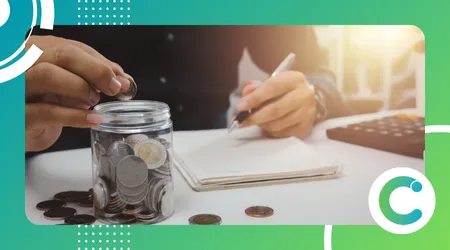
When income is limited, creativity becomes a powerful ally.
An effective strategy is to seek alternative sources of income, even if small.
For example, Maria, a 28-year-old administrative assistant, started selling homemade sweets on weekends.
++ Can You Use a Digital Account to Receive Money from Abroad? Here's How
With an initial investment of R$ 50 in ingredients, she managed to make a profit of R$ 300 per month, which represented an increase of R% in her income.
This initiative not only eased the budget, but also brought personal satisfaction, showing that simple skills can be monetized.
Additionally, taking advantage of social programs and benefits can make a big difference.
Many Brazilians are unaware of available assistance, such as discounts on electricity bills through the Social Tariff or free professional training programs.
Researching these opportunities and applying can free up resources for other areas.
Another smart approach is collaborative consumption: exchanging services, such as fixing a faucet in exchange for English lessons, or joining collective purchasing groups to acquire products at lower prices.
++ How to Start a Lunchbox Business and Make Extra Money
These practices strengthen the community and reduce expenses.
Ultimately, investing in financial education is a long-term strategy that indirectly maximizes income.
Free online courses, such as those offered by the Central Bank's platform, teach concepts such as compound interest and debt negotiation.
With this knowledge, it is possible to make more informed decisions, such as avoiding loans with abusive rates or investing small amounts in safe options, such as Tesouro Direto.
The key is to turn limitations into opportunities, using creativity to multiply available resources.
Low-Income Finance: The Power of the Financial Mindset

Managing finances on a low income isn't just about numbers, it's about mindset.
Think of finances like a garden: with care and patience, even a small plot of land can flourish.
Many people fall into the trap of believing that a modest income impedes progress, but this limiting view can be overcome.
Adopting an abundance mindset means focusing on what's possible, rather than lamenting what's missing.
For example, instead of wishing for a new car, value the savings of using public transportation or cycling, which also benefits your health and the environment.
Another crucial aspect is to avoid impulsive debt.
Paying in 10 installments may seem harmless, but they can accumulate interest that eats away at your budget.
João, a 32-year-old delivery man, realized this when he accumulated R$ 2,000 in credit card debt.
After negotiating with the bank and cutting unnecessary expenses, such as streaming subscriptions, he paid off his debt in 18 months and started saving R$1,400,000 per month.
This change in mindset, focused on prioritizing the essentials, transformed his relationship with money.
Finally, cultivating gratitude can change your financial perception.
Recognizing small achievements, like paying a bill on time or saving for a goal, builds confidence.
Psychological studies show that people who practice gratitude are 25% more likely to maintain healthy financial habits.
So, changing your mindset isn't just about numbers, but about seeing money as a tool to build a better life, regardless of the amount in your account.
Debt: How to Deal with and Prevent It
Debt is a common obstacle for those living on low incomes, but tackling it strategically can transform your financial landscape.
The first step is to map out all your debts, listing the total amount, interest rates, and repayment terms.
Prioritize paying off those with the highest interest rates, such as credit cards or overdrafts, which can reach 300% per year.
Negotiating with creditors is another effective tactic: many institutions offer discounts for cash payments or more affordable installment plans.
Honest contact with the bank can significantly reduce the debt burden.
Furthermore, preventing new debts is as important as paying off current ones.
One strategy is to create an emergency fund, even if it's small.
Saving R$ 10 a week results in R$ 520 in a year, enough to cover unexpected expenses like a car repair or a doctor's appointment.
Another tip is to avoid consumer temptations, such as impulsive promotions. Before buying, ask yourself: "Do I really need this right now?"
This break can prevent unnecessary expenses and keep your budget in the black.
Finally, seeking professional support can make all the difference.
Free financial advisors, such as those offered by nonprofits or universities, can help you create personalized plans.
Additionally, platforms like Serasa offer tools for monitoring and negotiating debts.
Dealing with debt isn't just about paying bills, it's about regaining control and building a healthy relationship with money, even with limited income.
Investing with Little: Is It Possible?
Investing with a low income may seem like a distant dream, but it's more accessible than it seems.
Tesouro Direto, for example, allows investments starting at R$ 30, with returns higher than savings.
Additionally, low-risk investment funds, such as CDBs with daily liquidity, are safe options for beginners.
The secret is to start small and be consistent, harnessing the power of compound interest.
For example, investing R$ 50 per month at R% 61 per year could result in R$ 7,200 in 10 years, a significant amount for someone with a modest income.
Another way is to diversify your investments, even with little money.
Platforms such as digital brokerages offer access to real estate funds or shares with minimum investments.
However, it is crucial to study before investing.
Reading books like Benjamin Graham's "The Intelligent Investor" or watching educational videos can help you avoid common mistakes like investing in promises of quick gains.
Financial education is the foundation for making money grow, even when it is scarce.
Ultimately, investing is not just about money, but about time and energy.
Learning a new skill, like sewing or digital marketing, is an investment in the future that can increase your income.
For example, a free graphic design course can open doors to freelance work, generating extra income.
Therefore, investing with low income is about combining financial strategies with personal development, creating a virtuous cycle of growth.
Frequently Asked Questions: Finances on a Low Income Basis
Below is a table with answers to the most common questions about finances on low incomes, based on real issues faced by Brazilians:
| Doubt | Response |
|---|---|
| Is it possible to save on a low income? | Yes, even small amounts, like R$1,000,000 per month, can build an emergency fund. The key is consistency and prioritizing essential expenses. |
| How to avoid debt with a low salary? | Create a detailed budget, avoid impulse purchases, and negotiate existing debts. An emergency fund also prevents new debt. |
| Can I invest with less than R$ 100? | Yes, options like Tesouro Direto and CDBs allow investments starting at R$1,400. Start small and research to choose safe options. |
| How to deal with financial contingencies? | Maintain an emergency fund, even if small, and research social benefits, such as health programs or discounts on public services. |
| Is it worth earning extra income? | Yes, activities such as selling homemade products or offering freelance services can increase income by up to 20-30%, as in Maria's case. |
Low-Income Finance: Conclusion
Managing finances on a low income requires planning, creativity, and a mindset focused on possibilities.
Through strategies such as detailed budgeting, extra income, debt management, and small investments, it is possible not only to survive but also to build a financially stable and satisfying life.
The garden analogy reminds us that with care and patience, even the most modest resources can flourish.
The IBGE statistics reinforce the urgency of adopting these habits, while the examples of Maria and João show that small actions generate big results.
Therefore, regardless of income, living well is a matter of making smart and consistent choices.
What will be the first step you will take today to transform your finances?
