
Advertisements
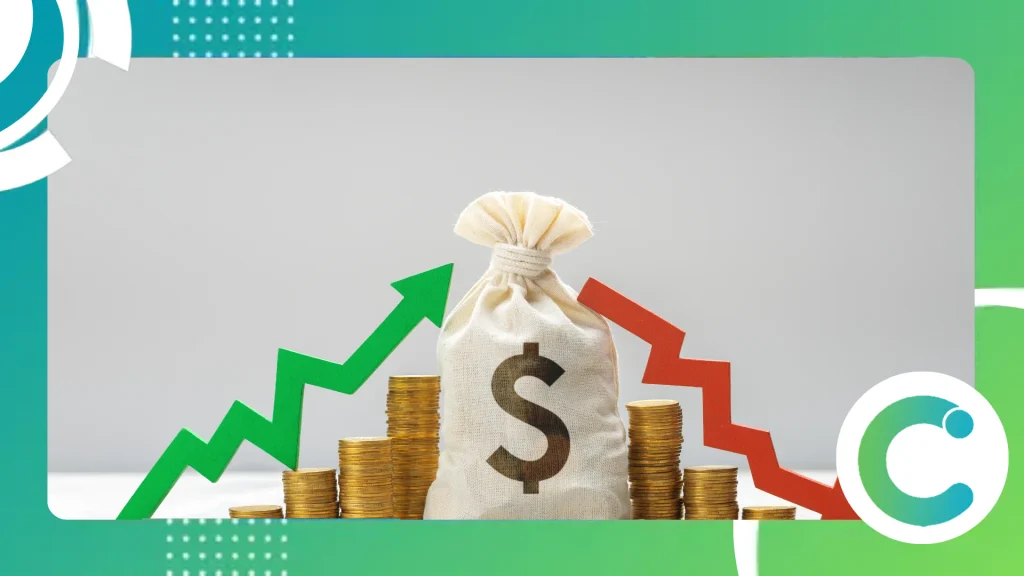
When the quote for dollar goes up and down, The impact on Brazilians' wallets is immediate and affects various sectors of the consumer market.
Understanding how this exchange rate fluctuation affects prices helps in planning daily purchases and the family budget.
In this article, you'll discover which products are the first to experience these fluctuations and how to protect yourself from price increases.
- Direct impact on the supermarket: wheat, oils and fuels
- Electronics and technology: Why do prices change so quickly?
- Agricultural inputs: How does the exchange rate affect fresh food?
- Comparative table: impact speed by category
- Who are the most affected? With the dollar rising like this?
- Frequently Asked Questions (FAQ): Common questions about currency exchange
What happens in the market when the dollar fluctuates?
Currency fluctuations in Brazil don't only affect those who travel abroad or invest in foreign currency.
The Brazilian economy is deeply connected to global trade, which means that fluctuations in the US dollar pass on costs to the local production chain.
When the US dollar appreciates, import costs immediately increase.
On the other hand, when it retreats, prices don't always fall at the same speed, a phenomenon known in the financial market as downward price rigidity.
The first products affected by the exchange rate increase.
Some sectors of the economy feel the exchange rate fluctuations almost in real time, while others absorb the impact for a few weeks before passing it on to the final consumer.
EXCHANGE RATE TRANSMISSION MECHANISM │ ┌───────────────────────────┴───────────────────────────┐ ▼ ▼ Direct Import Production Costs (Electronics, Fuels) (Wheat, Fertilizers, Packaging) │ │ ▼ ▼ Impact Immediate (0 to 15 days) Gradual Impact (30 to 90 days)
1. Bread, pasta and wheat-based products
Brazil imports a large portion of the wheat it consumes. Because the commodity is priced in dollars, flour becomes more expensive for industries and bakeries.
French bread, pasta, and biscuits are among the first items to see price increases on supermarket shelves.
2. Fuels and freight transport
The price of oil and fuels at refineries follows international prices.
++ How LEGO almost went bankrupt and managed to rebuild one of the world's most well-known businesses.
When the American currency surges, the cost of gasoline and diesel rises, generating a chain effect on the freight costs of all goods transported throughout the country.

3. Electronics, smartphones and home appliances
Even devices assembled in Brazil depend on imported components, such as microchips and integrated circuit boards.
Like the movement of dollar goes up and down, Manufacturers adjust the prices of new batches to cover the cost of replacing parts.
4. Meat, eggs and dairy products
Poultry, pig, and cattle farming depend on feed made from corn and soybeans—exportable commodities priced in hard currency.
Learn more: How to increase revenue without expanding the company's structure.
Furthermore, the fertilizers used in pastures and crops are mostly imported, increasing the cost of protein and milk production.
5. Medicines and pharmaceutical supplies
A large portion of the active ingredients used by the national pharmaceutical industry are imported.
Look how interesting!: ICMS: Why can each Brazilian state have different rules and rates?
Although medications for continuous use have regulated annual price adjustments, over-the-counter products and hospital supplies are subject to constant exchange rate pressure.
Table: Speed of impact of the dollar on Brazilian products
| Product Category | Dependence on the Dollar | Average Transfer Time | Main Impact Factor |
| Fuels (Gasoline/Diesel) | High | 1 to 15 days | International oil and freight prices |
| French bread and pasta | High | 15 to 30 days | Wheat imports and packaging costs |
| Electronics and Cell Phones | Very High | 15 to 45 days | Imported components and inventory |
| Meat and Dairy Products | Medium-High | 30 to 60 days | Animal feed (soybeans/corn) and fertilizers |
| Clothing and Footwear | Average | 60 to 90 days | Synthetic fabrics and exportable cotton |
Understanding these timelines helps consumers anticipate necessary purchases before new batches arrive in stores with adjusted prices.
Who is most affected by this rise in the dollar?
Although the strengthening of the US dollar affects the entire economy, its impacts are not evenly distributed.
The intensity of the price increase varies according to consumption patterns, income levels, and even the size of Brazilian companies.
1. Low-income families
Families in social classes D and E are feeling the effects of the dollar more severely.
Since the largest portion of your household budget goes towards basic food, public transportation, and medicine, the price increase of essential items—such as bread, oil, rice, and meat—immediately reduces your purchasing power.
In these households, currency devaluation is directly reflected in the decrease in the cost of basic necessities.
2. Small and medium-sized enterprises (SMEs)
Unlike large corporations, small industries and local businesses have narrow profit margins and less bargaining power.
When the dollar goes up and down, These business owners face operational dilemmas:
- Cost absorption: It reduces profit margins to retain customers, risking compromising the financial health of the business.
- Immediate transfer: It passes on the increase in input costs directly to final prices, risking losing sales volume to larger competitors.
3. Rural producers and family-based agribusiness
Although large grain exporters profit from dollar-denominated revenues, producers focused on the domestic market or smaller-scale operations suffer from cost inflation.
Fertilizers, nitrogen fertilizers, pesticides, and machinery parts are indexed to the exchange rate and oil prices.
The increase in crop costs is putting pressure on producer prices even before the harvest.
4. Technology consumers and travelers
Those who have international trips planned or need to purchase electronic equipment, such as computers and spare parts for work, feel the immediate price adjustments in airfare, accommodation, and electronic products on store shelves.
How can consumers protect themselves from exchange rate fluctuations?
While it's not possible to control the financial market, some simple strategies can help mitigate the effects of currency inflation on the household budget:
Replace brands and products: Give preference to seasonal foods and those from local producers, who rely less on long-distance transportation.
Do your research before buying electronics: During periods of high sales, look for products with older stock in physical stores or on e-commerce platforms.
Plan for larger purchases: Follow official economic reports to identify trends in currency stabilization.
For official data and detailed analyses of the national economy, please consult the Central Bank of Brazil.
Frequently Asked Questions
Why do product prices rise quickly when the dollar rises, but take longer to fall when the dollar falls?
This phenomenon occurs because retailers fear having to replenish their stock at a higher cost in the future. Furthermore, supply and shipping contracts often have fixed terms, delaying the passing on of the price drop to the end consumer.
Why does the fluctuation of the dollar affect local fruits and vegetables?
Even though these crops are produced in Brazil, they use pesticides, fertilizers, and transportation fuels that are directly indexed to the US dollar.
Are domestically produced 100% products completely unaffected by exchange rate fluctuations?
Rarely. Most domestic products use plastic packaging, aluminum, imported machinery, or fuel for distribution, which generates an indirect impact when the... dollar goes up and down.
Where can I find the official daily dollar exchange rate?
You can follow the daily quotes and updated economic indices directly through the portal of Brazilian Institute of Geography and Statistics (IBGE), which monitors inflation and consumer price indicators.
Conclusion
The constant fluctuation of the exchange rate is a determining factor in price formation in the Brazilian market.
Products like bread, fuel, and electronics feel the effects almost immediately, while clothing and fresh food absorb the variations gradually.
Keeping up with economic trends and adopting flexible spending habits are the best ways to maintain good financial health, regardless of the exchange rate scenario.
++ How does the ups and downs of the dollar affect my life?
++ Dollar fluctuations: understand why it goes up and down so much.
