



Overview of Credit Cards and Their Main Benefits
Credit cards are widely used financial tools to facilitate payments, organize expenses, and, in many cases, offer additional benefits to the consumer.
In today's market, there are different categories of credit cards, each geared towards specific profiles and objectives.
Among the most common options are the cashback cards, you cards with APR 0%, you cards with no annual fee and the cards with premium benefits.
Understanding the differences between these categories is essential for consumers to choose the product best suited to their financial situation, avoiding unnecessary costs and using credit responsibly.
Credit cards with cashback
Credit cards with cashback are aimed at those who want... receive part of the amount spent backInstead of accumulating points or miles, the user receives a percentage of the purchase value, usually credited to the bill or available for redemption in a bank account.
This type of card is suitable for recurring expenses, such as food, fuel, subscriptions, and online purchases. Some offer a fixed cashback on all purchases, while others work with specific categories that generate a higher return. The main attraction lies in the simplicity and predictability of the benefit, since the consumer knows exactly how much they are getting back.
Cards with APR 0%
The cards with APR 0% (Zero interest during the promotional period) is designed for those seeking payment flexibility.
During the promotional period, which can range from a few months to more than a year, the user can pay for purchases in installments or transfer funds without paying interest.
This category is especially useful for:
- Higher value purchases
- Temporary financial organization
- Transfer of debts with higher interest rates
It is important to note that the APR 0% is only valid for a limited time. After this period, the standard card interest rate will apply, requiring planning to avoid future costs.
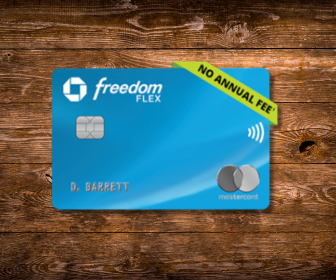
Credit cards with no annual fee
Credit cards with no annual fee are good options for those who want... reduce fixed costs and keep the card active without recurring payments.
They can offer various benefits, such as cashback, points programs, or digital control tools, even without an annual fee.
This type of card is quite popular among consumers who:
- They use the card with moderate frequency.
- They desire simplicity.
- They don't want to pay fees just to keep the credit available.
Despite the absence of an annual fee, it is essential to be aware of other costs, such as interest, late payment penalties, and additional charges, which remain applicable.
Credit cards with premium benefits
Premium cards are aimed at consumers with a higher financial profile or a consolidated credit history.
In addition to basic credit functions, they offer exclusive benefitsBenefits such as access to VIP airport lounges, travel insurance, concierge services, extended coverage, and more robust rewards programs.
These cards typically have stricter eligibility criteria and may charge a higher annual fee.
Therefore, they make more sense for those who actually use the benefits offered and can justify the cost with frequent use.
The importance of assessing your financial profile.
Each card category caters to a specific need. While some consumers benefit more from cashback, others prioritize lower interest rates, no fees, or premium benefits.
There is no universally best option, but rather the one that best fits each person's profile, consumption habits, and financial goals.
Before choosing a card, it is recommended to consider:
- Frequency and type of expenses
- Monthly payment capacity
- Interest in additional benefits
- Total cost involved
Final considerations
Credit cards, when used responsibly, can be important allies in financial organization and in taking advantage of benefits.
Cards with cashback, APR 0%, no annual fee, or premium benefits fulfill distinct roles within the market and cater to different audiences.
This content is for informational purposes only and aims to provide an overview of the main categories of cards available, helping the reader to better understand their options before consulting the official channels of the issuing financial institutions.
