
Advertisements
THE Virtual credit card It is, without a doubt, the tool that redefines security and practicality in electronic transactions in the digital age.
By 2025, e-commerce will dominate, and the way we pay needs to keep pace with this evolution, offering extra protection.
This device is not just a copy of your plastic card, but a single-use or temporary key to the vast universe of online shopping.
Let's uncover how this technology works, the layers of security it offers, and the concrete benefits that the modern consumer reaps.
As the Virtual credit card Does it work in practice?
This is a card number, security code (CVV), and expiration date that are digitally generated by your bank or financial institution.
Advertisements
This information is distinct from what is printed on your main physical card. Creation is done instantly via the issuer's app, making the process quick and easy.
The main characteristic lies in its temporary nature or in its limitation of use to a single establishment.
It operates using the same credit limit as your physical card.
In other words, you don't need a new approval or credit check to use it.
Think of it as a avatar financial, which represents your credit, but keeps your main identity protected.
Why is the security of a virtual card superior to a physical card?
The biggest vulnerability of physical cards in digital purchases is the permanent leakage of their data.
Once committed, they can be used repeatedly. With the Virtual credit cardThis changes drastically.
Look how interesting: International vs. National Credit Card
In many cases, the number is discarded after the first purchase, preventing reuse by cybercriminals.
Even with recurring usage models (such as subscriptions), the CVV number is often renewed every 24 or 48 hours.
It's like giving a messenger a secret code to open a safe, but ensuring the code only works once.
If it is intercepted, the loss is minimized or nonexistent. The virtual card offers a layer of numerical anonymity, protecting your assets.
| Virtual Card Type | Frequency of Use | Security Advantage |
| Single Use (Disposable) | Only 1 Transaction | Zero risk of reuse by third parties. |
| Recurring (Signatures) | Unlimited use on 1 site | CVV and/or validity dates are frequently renewed. |
| Temporary (Rotating) | Multiple purchases within 48 hours. | It expires automatically, limiting the exposure time. |
What are the main benefits for the online consumer?
Convenience and peace of mind are the most immediate advantages perceived by the user.
There is no longer the constant worry of having your card cloned after a purchase at a store. e-commerce less known.
Imagine the following situation: You need to buy a product from a foreign online store that you've never used before.
Read more: Installment Credit Card vs. Revolving Credit Card
Instead of displaying your main card, you generate a disposable virtual one.
Consider this example: João makes a purchase of R$ 500.00 at a new online bazaar. He uses a disposable virtual credit card.
A week later, the bazaar suffers a hacker attack and all the card data is leaked.
However, Mr. João's number is now useless to criminals, as it was invalidated after use.
Furthermore, control over spending becomes more granular, as many apps allow you to set specific limits for the virtual key. This enhances personal financial management.
How did the Virtual Card become a market trend in 2025?
The acceleration of digital transformation, driven in part by the need for social distancing, has consolidated online consumption.
Consequently, the demand for robust defense mechanisms has grown exponentially.
A study by the Central Bank (BC) from 2024 (the latest data available with this level of detail), referring to the first quarter, revealed that 58% of credit transactions in Brazil were already being carried out in a virtual environment. (e-commerce, apps, etc.), and the number of virtual cards issued increased by 35% compared to the previous year. This data confirms the rapid adoption.
On the other hand, in this example, Mrs. Maria uses the recurring virtual card for her six streaming and food subscriptions. Her physical card stays at home, kept in her wallet.
If her cell phone is lost or stolen, the main card cannot be used for online purchases because the exposed data belongs to the limited-use virtual credit card.
This massive uptake demonstrates a shift in consumer behavior, with people now prioritizing protection.
The future of financial transactions lies in dematerialization and dynamic security.
THE Virtual credit card Does it replace the physical forever?
Although virtual cards are ideal for the internet, they still don't completely replace physical cards.
In physical establishments that do not yet accept contactless payments via smartphone (NFC), plastic is still needed.
Virtual security is a security complement, not a universal replacement at this time. It exists to protect the user against fraud in the online environment.
However, with the advancement of QR code payments and digital wallets, the reliance on plastic tends to decrease more and more. Technology is moving towards making transactions invisible.
THE Virtual credit card It's a smart response to the risks of the internet. Not using it for your online shopping is unnecessarily exposing your assets and data.
Why risk the security of your main card when there's such an effective and free solution at your fingertips?
The decision to protect oneself is the wisest decision a consumer can make in 2025.
Frequently Asked Questions
Does the Virtual Card have an additional cost?
Generally, no. Issuing a virtual card is a standard and free service offered by most banks and credit card issuers.
It's part of the modern security experience.
Can I use the Virtual Card in physical stores?
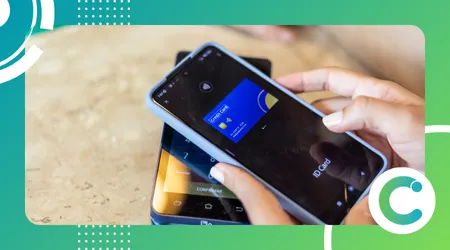
Yes, it's possible, as long as you register it with a digital wallet (such as Apple Pay or Google Pay) and the store's payment terminal accepts contactless payment technology (NFC).
Is the credit limit on my virtual card different from my physical card?
No. The virtual card shares the same total credit limit as your main physical card. Any purchase made with it will be debited from your existing limit.
What should I do if my Virtual Card data is leaked?
Since it is mostly disposable or has a rotating CVV (Central Valve Prohibitor), the risk is low.
If you suspect fraud, simply access your bank's app and delete the virtual card immediately, generating a new one.
++ Learn what a virtual card is and how you can use it.
++ Virtual card
